Treatment Programs
Comprehensive, evidence-based addiction treatment programs tailored to every stage of your recovery at our Hesperia, California facility.
Comprehensive, evidence-based addiction treatment programs tailored to every stage of your recovery at our Hesperia, California facility.
At Hesperia Treatment, we understand that recovery is not a one-size-fits-all journey. Our treatment center in Hesperia, California offers a complete continuum of care, from medically supervised detox through residential rehabilitation, outpatient programs, and specialized dual diagnosis treatment. Each program is delivered by our on-site clinical team using evidence-based therapies proven to support lasting recovery.
Whether you are taking the first step toward sobriety or stepping down from a higher level of care, our facility provides the clinical expertise and compassionate support you need at every stage.
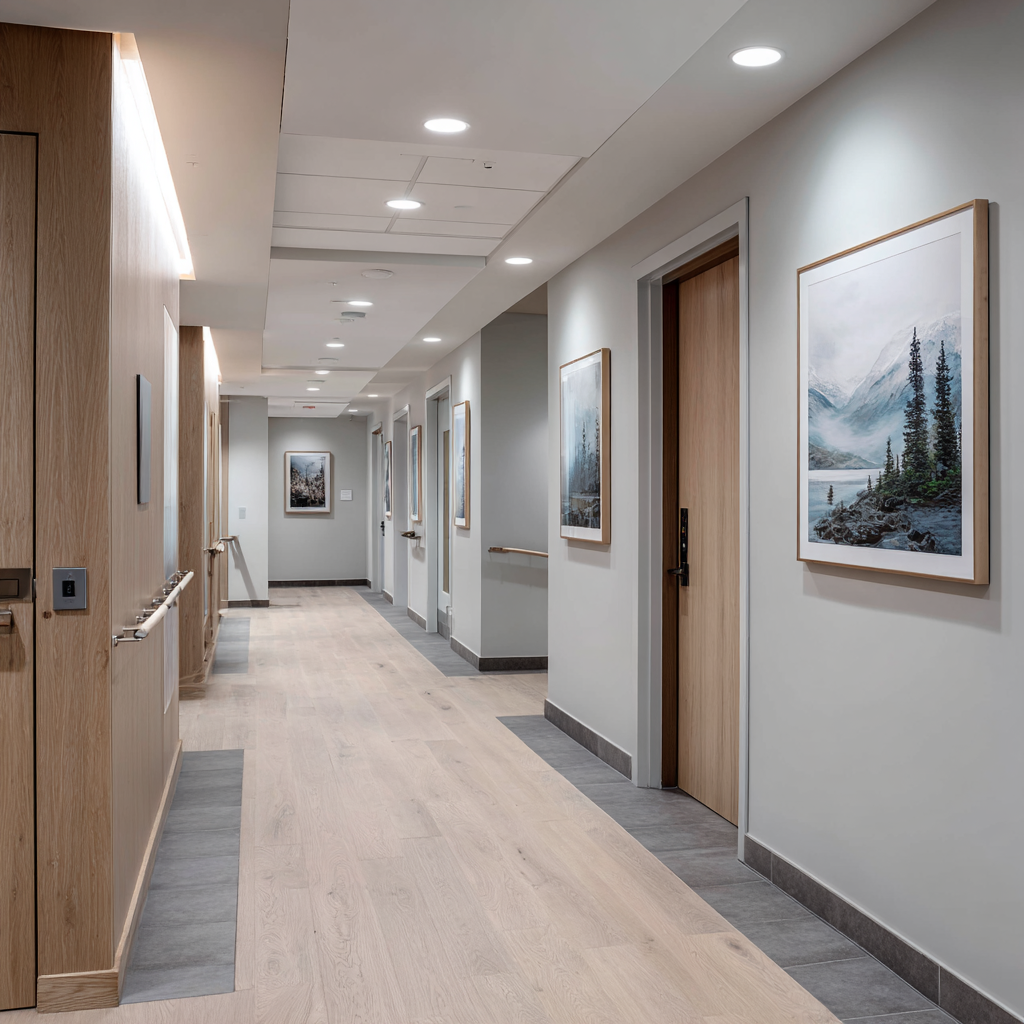
Safe, 24/7 medically supervised withdrawal management. Duration: 3-7 days.
Learn More →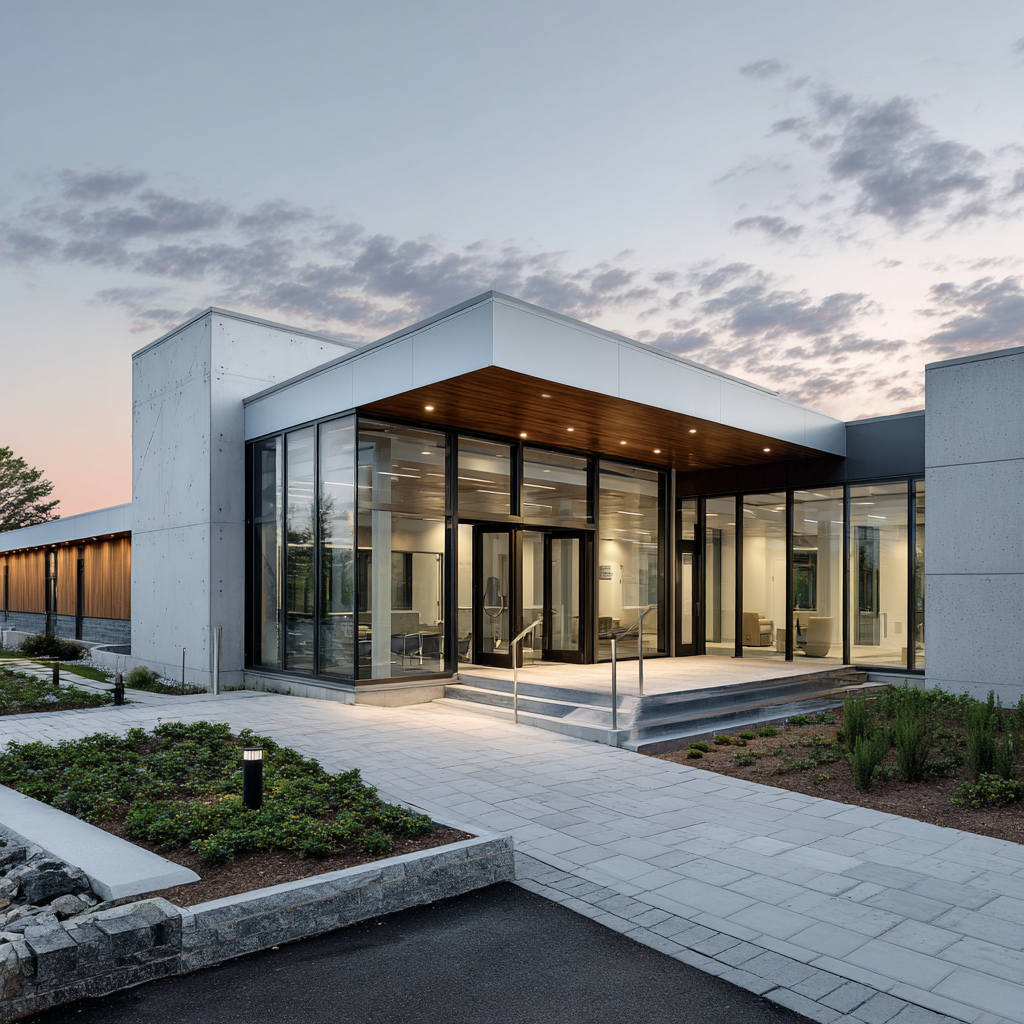
Immersive inpatient care with 30, 60, or 90-day program options.
Learn More →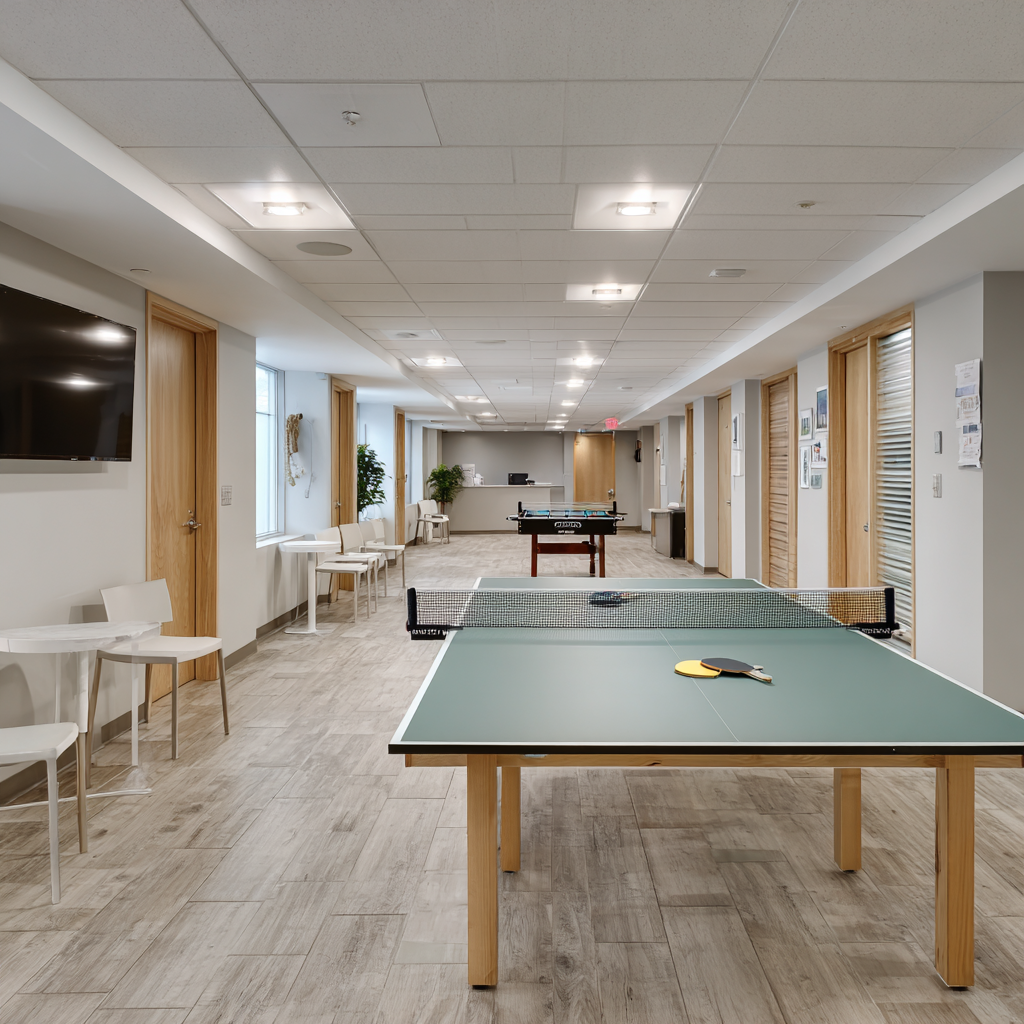
Flexible PHP, IOP, and Standard Outpatient options to fit your life.
Learn More →
Integrated treatment for co-occurring mental health and substance use disorders.
Learn More →Our treatment center provides a structured step-down approach that guides you from the most intensive level of care to greater independence as your recovery strengthens. This continuum ensures seamless transitions and uninterrupted clinical support at every stage.
Each transition is carefully coordinated by our on-site clinical team to ensure you move through levels of care at the pace that best supports your recovery goals.
Medical detoxification is the clinically supervised process of safely removing addictive substances from the body while managing withdrawal symptoms. At our Hesperia facility, detox is the critical first step in the recovery process, conducted under 24/7 medical supervision by our on-site physicians, nurses, and clinical staff.
Attempting to detox without medical oversight can be dangerous and even life-threatening. Our treatment center provides a safe, medically monitored environment where withdrawal is managed with compassion, expertise, and the latest evidence-based protocols. Medication-Assisted Treatment (MAT) is available to ease symptoms and reduce cravings during the detoxification process.
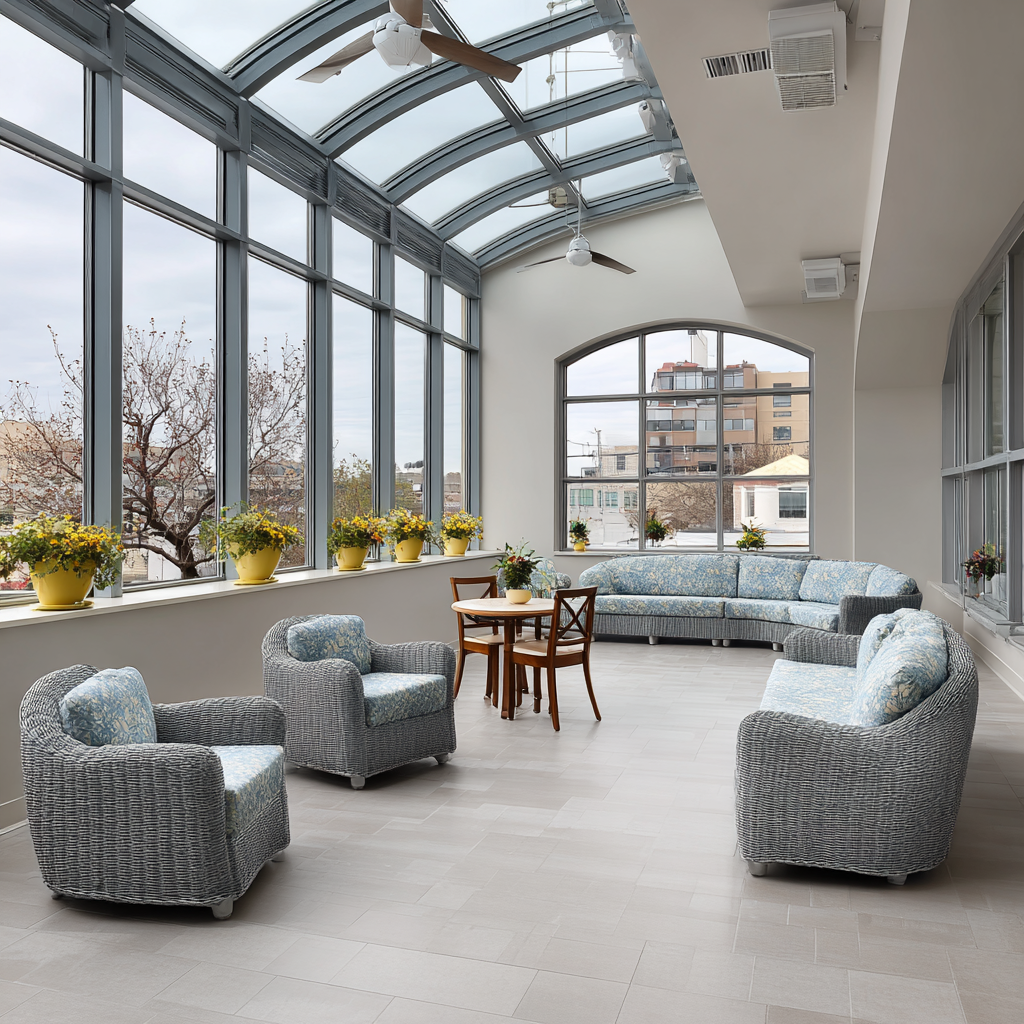
Our medical detox program follows a structured, three-phase approach to ensure your safety and comfort:
Comprehensive medical and psychiatric evaluation to determine the safest detox protocol for your specific situation.
24/7 medical monitoring with MAT as needed to manage withdrawal symptoms safely and minimize discomfort.
Smooth transition into the next level of treatment, typically residential or intensive outpatient programming.
Our on-site clinical team is experienced in treating withdrawal from a wide range of substances, including:
Residential treatment, also known as inpatient rehabilitation, provides an immersive, structured recovery experience within our Hesperia facility. Clients live on-site and participate in a comprehensive daily schedule of individual therapy, group counseling, educational workshops, and holistic wellness activities.
By removing clients from the environments and triggers associated with substance use, residential treatment creates a focused healing space where our on-site clinical team can deliver intensive, personalized care. Our treatment center offers 30-day, 60-day, and 90-day program options depending on the individual's needs, clinical assessment, and recovery goals.

Residents at our treatment center follow a structured daily routine designed to build healthy habits, provide clinical support, and promote overall wellness:
Our residential programs are designed to provide the right amount of time in treatment based on your unique needs:
Foundation of recovery skills, initial stabilization, and development of a personalized continuing care plan.
Deeper therapeutic work addressing underlying issues, trauma processing, and building stronger relapse prevention strategies.
Comprehensive treatment with the strongest outcomes, recommended for chronic relapse or severe substance use disorders.
Outpatient treatment at Hesperia Treatment allows individuals to receive structured, evidence-based addiction therapy while living at home and maintaining their daily responsibilities. Our outpatient programs are ideal for those stepping down from residential care or those whose clinical assessment indicates that a less intensive level of care is appropriate.
All outpatient sessions are conducted at our treatment center in Hesperia, providing consistent access to our on-site clinical team, psychiatric care, and therapeutic resources. We offer three distinct levels of outpatient programming to meet varying clinical needs.

The table below outlines the key differences between our three outpatient program levels, helping you understand which option may be right for your recovery:
Our Partial Hospitalization Program offers the highest level of outpatient care, serving as an effective step-down from residential treatment or an intensive entry point for those who need significant clinical support but do not require 24-hour supervision. Clients attend programming at our Hesperia treatment center five days per week for approximately six hours per day over a 2-4 week period.
PHP provides access to psychiatric evaluation, medication management, individual therapy, daily group sessions, and holistic wellness activities—all within the supportive structure of our facility.
The Intensive Outpatient Program at Hesperia Treatment is designed for individuals who are ready for greater independence while still receiving robust clinical support. IOP sessions meet three to five times per week for three hours per session over an 8-12 week period. This format allows clients to maintain employment, attend school, or care for family responsibilities while actively participating in treatment at our center.
IOP programming includes group therapy, individual counseling, relapse prevention education, and peer support—all facilitated by our licensed clinical staff at our Hesperia campus.
Standard outpatient care provides ongoing, lower-intensity support for individuals who have completed higher levels of treatment or whose clinical needs are best addressed through periodic check-ins. Sessions typically involve weekly individual therapy and group participation at our treatment center, reinforcing recovery skills and providing continued accountability during the transition back to daily life.
Our outpatient programs are designed as a seamless continuum. Many clients progress through the following path:
Dual diagnosis refers to the co-occurrence of a substance use disorder and one or more mental health conditions. Research consistently shows that substance abuse and mental illness frequently occur together, and treating one condition without addressing the other significantly increases the risk of relapse.
At Hesperia Treatment, our facility provides an integrated dual diagnosis program that simultaneously treats both the addiction and the underlying mental health condition. Our on-site clinical team includes licensed psychiatrists, psychologists, and therapists who specialize in co-occurring disorders, ensuring that every aspect of your well-being is addressed during treatment at our center.

Our treatment center is equipped to address the most common mental health conditions that co-occur with substance use disorders:
Major Depressive Disorder (MDD) and persistent depressive disorder are among the most common conditions seen alongside substance abuse. Our integrated approach uses therapy and medication management to address depressive symptoms while treating the addiction.
Generalized Anxiety Disorder, Social Anxiety, and Panic Disorder frequently co-occur with substance use. Our on-site clinical team employs CBT, exposure therapy, and mindfulness-based techniques alongside addiction treatment.
Post-Traumatic Stress Disorder and trauma-related conditions often drive substance use as a coping mechanism. Our facility uses EMDR, trauma-focused CBT, and somatic experiencing to address trauma at its root while supporting recovery.
Bipolar Disorder I and II are closely linked with substance use disorders. Our psychiatric team provides specialized medication management and mood-stabilizing strategies alongside comprehensive addiction treatment at our center.
Unlike programs that treat addiction and mental health conditions separately, Hesperia Treatment uses a truly integrated model. This means that your substance use disorder and mental health diagnosis are addressed simultaneously by the same clinical team, using a unified treatment plan developed specifically for you. Our integrated approach includes:
Our admissions team at Hesperia Treatment is available 24/7 to help you find the right program for your needs. Call today for a free, confidential assessment at our Hesperia, California facility.
(442) 259-8658